Key takeaways
- Rough carpentry builds the structure, finish carpentry makes it beautiful.
- Rough work is about strength and layout, finish work is about precision.
- Many projects need both, sometimes from different crews.
- Good rough work makes good finish work possible.
What rough carpentry covers
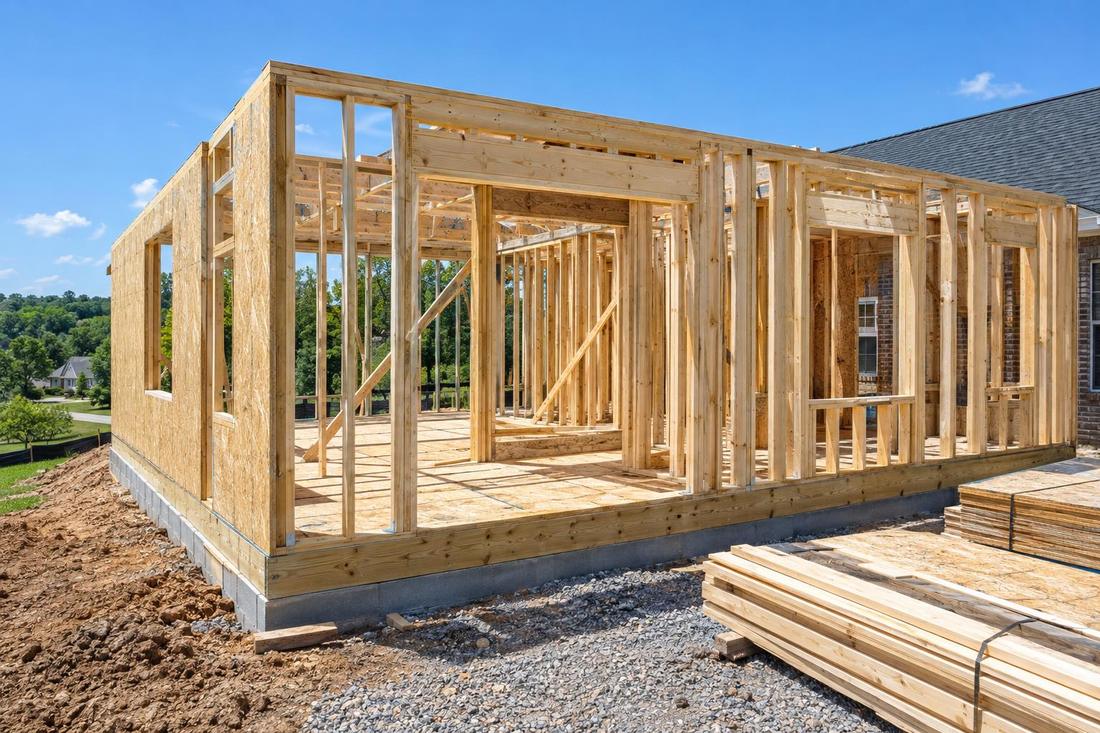
Rough carpentry is the structural work that gets covered up. It includes framing walls, floors and roofs, setting beams and headers, building stairs stringers, adding blocking and sheathing the structure. The goal is strength, correct layout and a frame that is square, plumb and level.
Tolerances are measured in eighths of an inch, and the work is fast and physical.
What finish carpentry covers
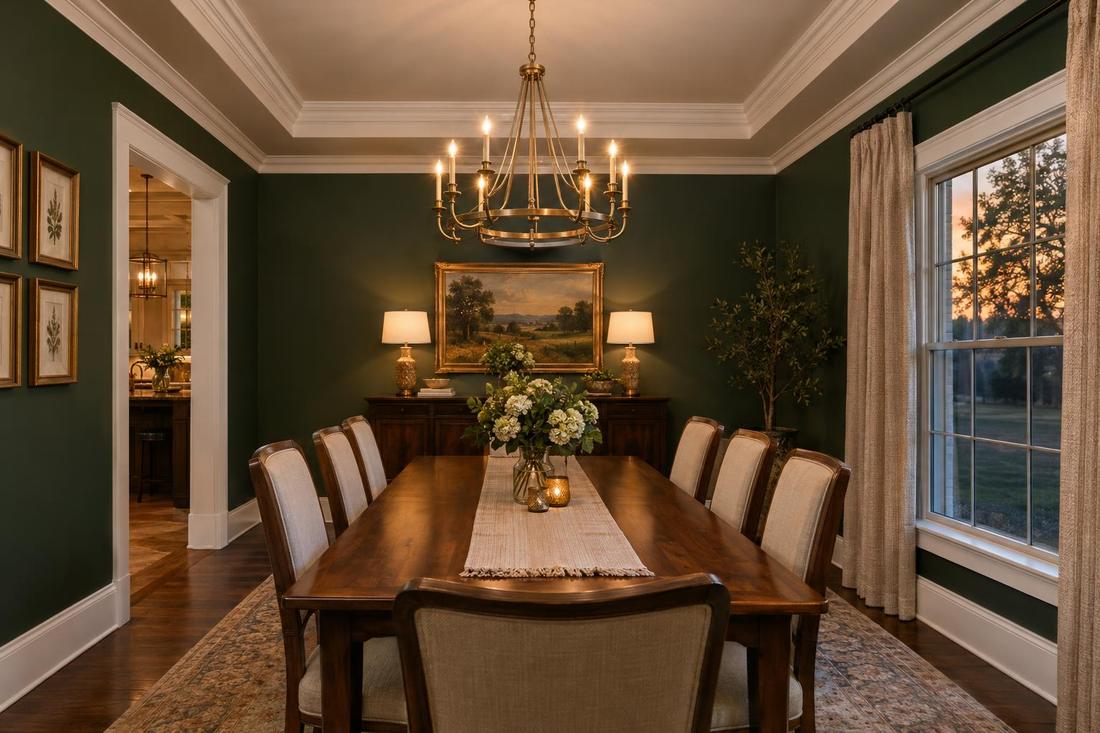
Finish carpentry is the visible, detailed work, including trim, molding, cabinets, doors, stairs railings, mantels and built-ins. Tolerances shrink to a sixteenth of an inch or less, and tool and material choices change. Patience and a good eye matter more than speed.
Finish carpenters often work in occupied homes and need to be tidy.
Why the two are connected
A frame that is out of plumb forces the finish carpenter to hide the error with shims, scribes and caulk. Blocking that was forgotten behind a wall makes a heavy cabinet or handrail harder to mount. When the two crews communicate, the result is cleaner and faster.
On smaller jobs, one carpenter can handle both.
Choosing the right carpenter
For a new addition or structural change, hire someone experienced in framing who can work with engineers and inspectors. For trim, cabinets and stairs, look for a portfolio of fine detail. Many Nashville carpenters do both, and the best way to judge is to see finished work and ask about the process.
Be clear about who is responsible for each stage.
Official sources and further reading
These are independent organizations. Links open in a new tab.
Quick answers
Can one carpenter do both?
Many can. Ask to see examples of each kind of work.
Which stage takes longer?
It depends on the project. Framing moves quickly, and finish work takes time per piece.