Key takeaways
- Match the wood to the use: hard and durable inside, rot-resistant outside.
- Look at grain and color, not only the species name.
- Moisture content matters: dry wood stays put, wet wood moves.
- Ask where the wood comes from and how it was dried.
Hardwoods and softwoods
Hardwoods come from broadleaf trees such as oak, maple, walnut and cherry and are generally denser and harder. Softwoods such as pine, spruce and cedar come from conifers and are lighter and easier to work. The names describe the tree, not always how hard the wood is.
Poplar, though a hardwood, is relatively soft and a favorite for painted trim and cabinet parts.
Choosing by use
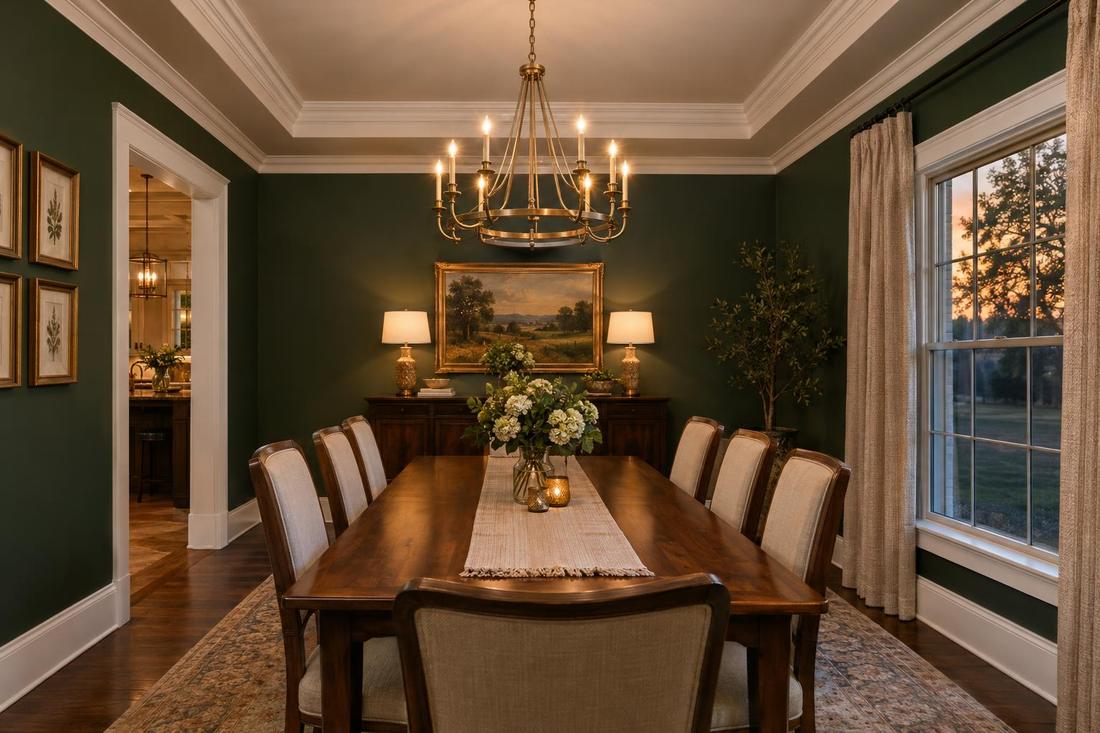
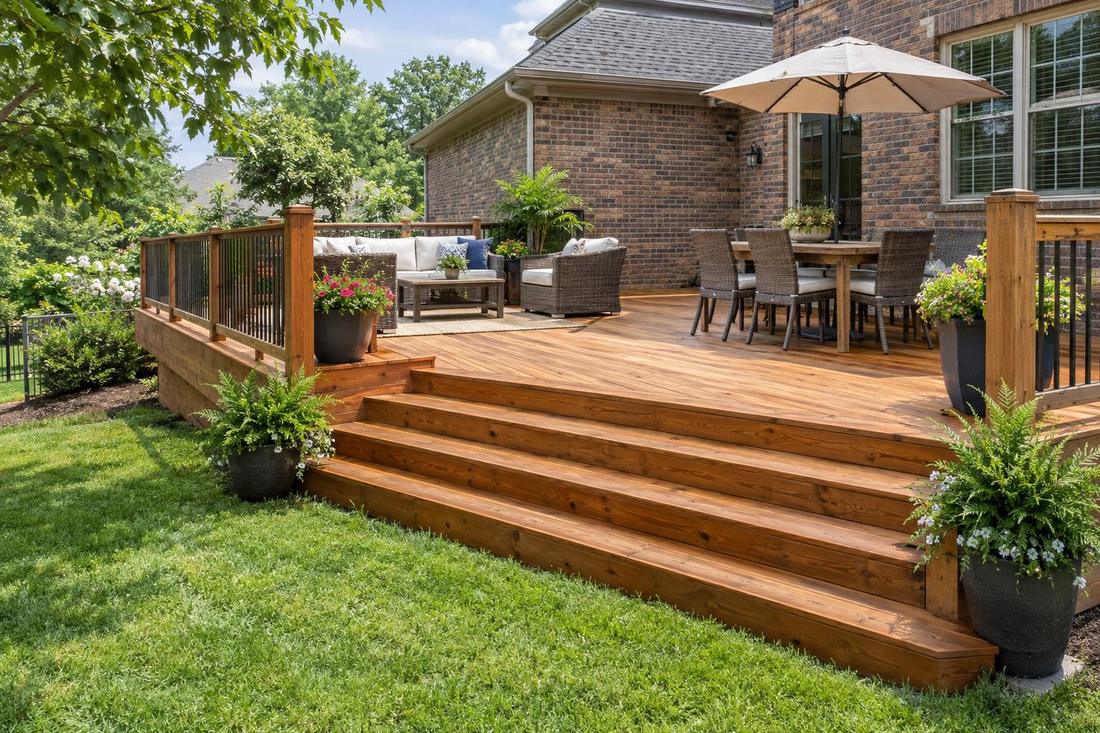
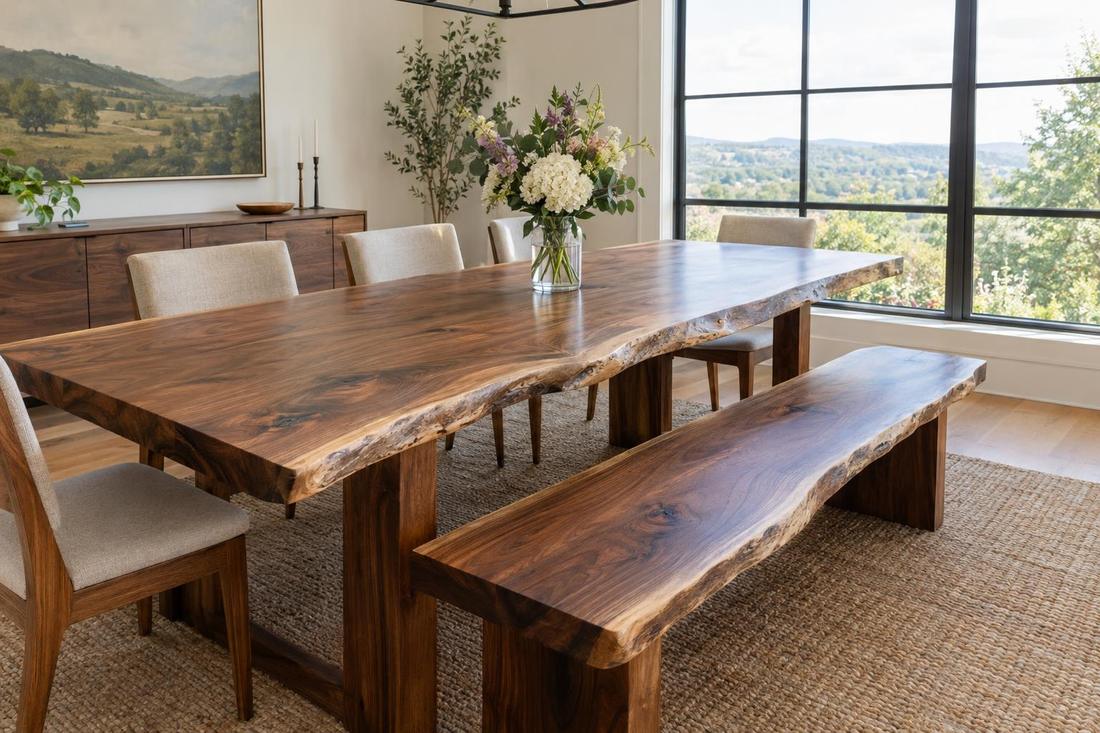
Furniture and cabinet faces often use oak, maple, cherry or walnut for strength and attractive grain. Painted trim and cabinet boxes use poplar, pine or plywood. Outdoors, cedar, redwood and pressure-treated pine resist moisture and insects, and some tropical hardwoods last even longer.
Across Middle Tennessee, humidity swings can make poor wood choices move noticeably through the year.
Grain, color and finish
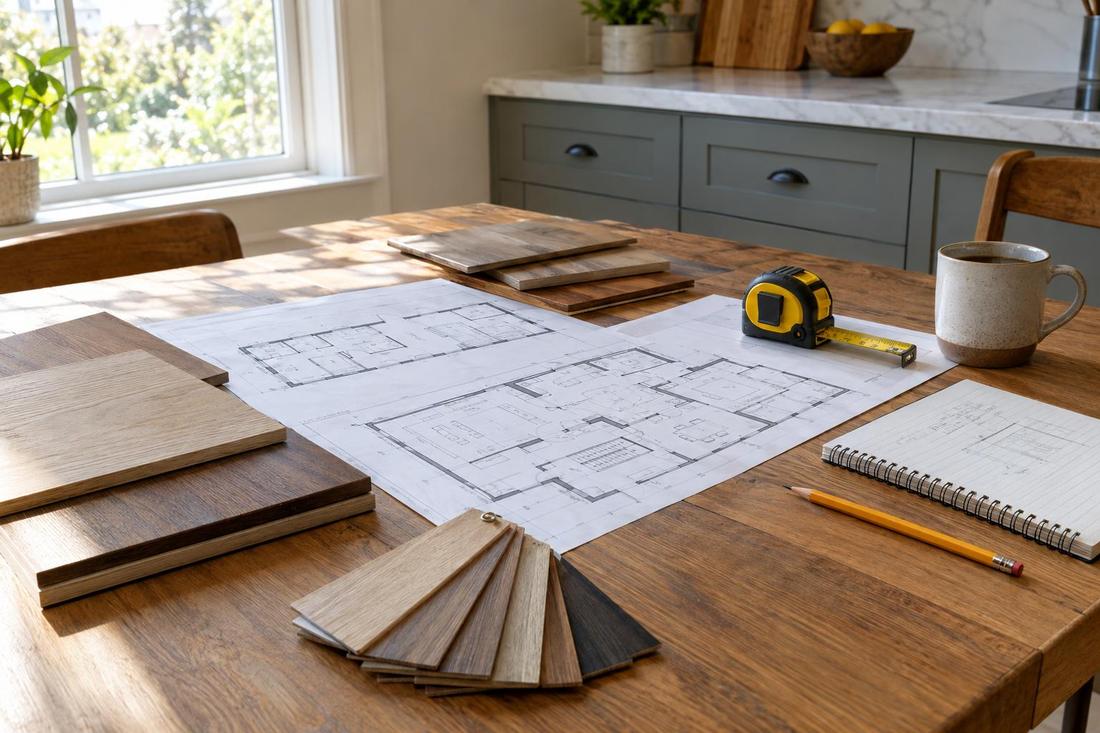
Oak shows bold grain and takes stain well, maple is pale and smooth and can blotch with some stains, cherry darkens as it ages and walnut is rich and dark from the start. Sample boards with your chosen finish are worth making before the real work starts.
Sunlight changes the color of many woods, so test samples in the room where the piece will live.
Moisture, drying and sourcing
Wood moves as it takes on and loses moisture. Kiln-dried lumber that has acclimated to the house or shop is more stable. Ask where the wood is from and how it was dried, and consider forest-certified sources if sustainability matters to you.
Reclaimed wood has character but should be checked for hidden nails and moisture.
Official sources and further reading
These are independent organizations. Links open in a new tab.
Quick answers
Is plywood worse than solid wood?
Not at all. Good plywood is stable and strong and is often the right choice for cabinet boxes and large panels.
What wood is best for outdoor furniture?
Cedar and treated lumber are practical choices, and some hardwoods do well with the right finish. Which is best depends on your style and upkeep.