Key takeaways
- Rot needs moisture, so fixing the water source comes first.
- Windowsills, thresholds, fascia, deck posts and porch floors fail first.
- Probe soft spots with a screwdriver before painting over them.
- Good flashing, caulk, paint and drainage keep wood dry.
What rot is and what it needs
Wood rot is caused by fungi that digest the wood. They need moisture, warmth, air and food, and wood that stays wet for long periods supplies all of it. Wood that is regularly wetted and then dries out is far less likely to rot than wood that stays damp.
That is why drainage and ventilation matter as much as the wood itself.
Where it shows up first
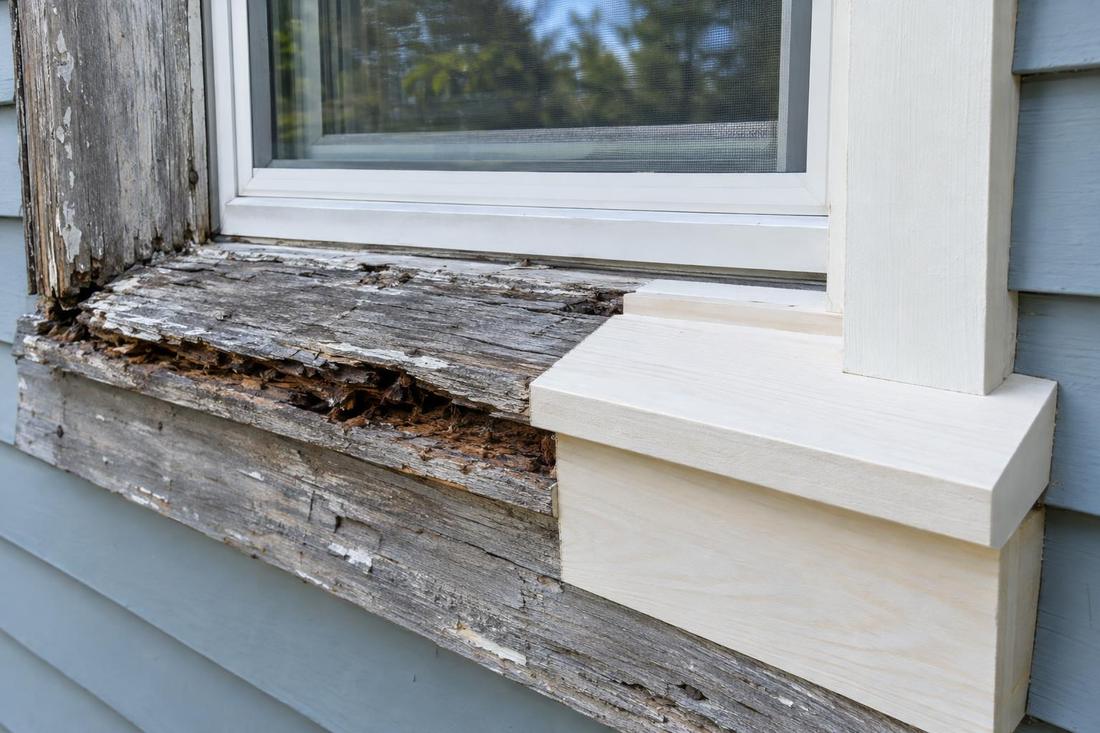
Rot starts where water collects or gets trapped: the bottoms of door frames, windowsills, fascia under failing gutters, deck posts in contact with soil, porch floors and the joints in exterior trim. Look for peeling paint, dark stains, soft spots and a spongy feel.
Houses around Nashville that have heavy shade and humid summers see more of it.
Testing and diagnosis
A screwdriver pushed into suspect wood will sink easily into rot, while sound wood resists. Check the surrounding wood, because damage often extends beyond the visible spot. Also look for the cause, such as an overflowing gutter, missing flashing, cracked caulk or a sprinkler spraying the wall.
If framing or a deck structure is affected, have it looked at promptly.
Repair and prevention
Repairing rot means removing the decayed wood back to solid material, correcting the water source and installing new wood or rot-resistant material that is primed on every side. Good habits help: keep gutters clean, caulk joints, repaint on time and keep soil and mulch away from siding and posts.
Treated lumber, PVC trim and composites can be good choices where water exposure is high.
Official sources and further reading
These are independent organizations. Links open in a new tab.
Quick answers
Can I just fill and paint over soft wood?
Small spots may be consolidated and filled, but widespread or structural rot needs replacement. Painting over rot hides the problem for a while.
Does rot spread?
It can, as long as conditions stay damp. Dry wood stops the process, but the damage that has happened stays.