Key takeaways
- Structural, deck, porch and addition work usually needs a permit.
- Rules differ by city and county, so check with your local codes office.
- Your contractor and you should agree on who applies for the permit.
- Inspections protect you, your family and a future buyer.
When a permit is usually needed
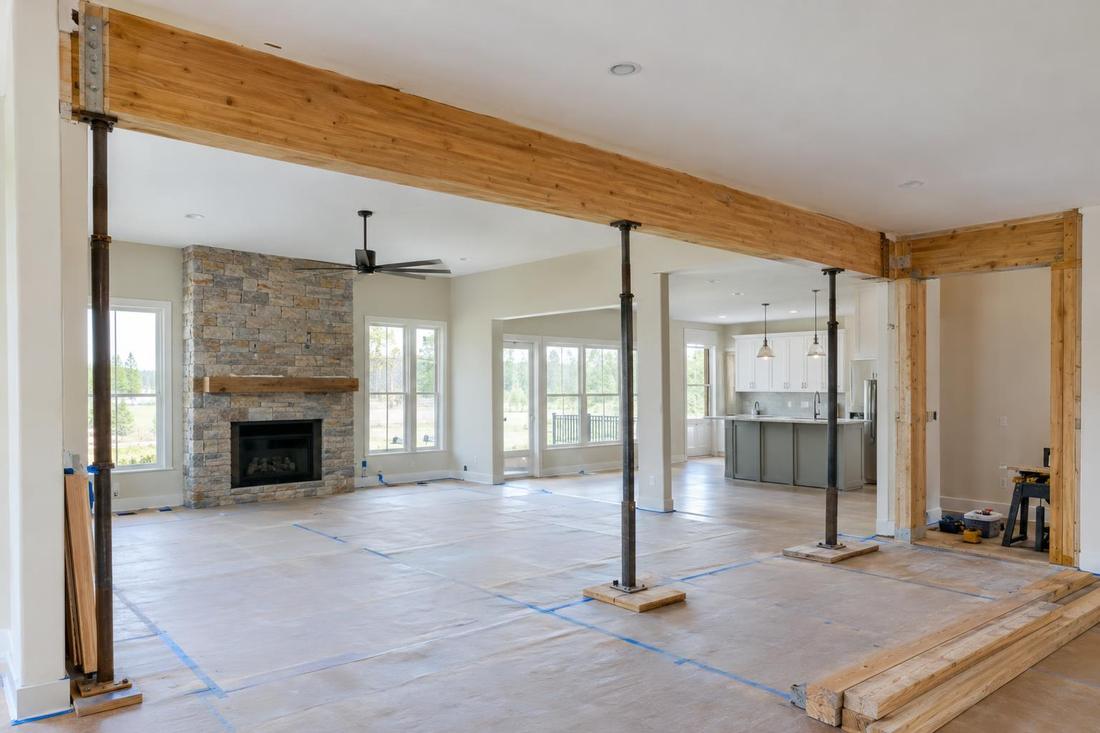
Permits are generally required for new structures, additions, decks, porches, structural changes such as removing a load-bearing wall and new stairs. Cosmetic work such as painting, trim and some cabinet installation usually does not need one. Each city and county sets its own rules.
Cities in Middle Tennessee differ, so a quick call to your codes office is the best first step.
Who pulls the permit
In some places the contractor pulls the permit, and in others the homeowner may. Ask early who will apply, pay the fees and schedule the inspections, and make sure it is written down. Unpermitted work can cause problems with insurance claims and when you sell.
Metro Nashville has a codes department that posts requirements and application steps.
What inspectors look at
Inspectors check that the work matches the approved plans and meets code for things like footings, framing, connections, stair dimensions, rail height and fire safety. Many projects have inspections at several stages, such as footings, framing and final.
Work must be left open and accessible until each inspection passes.
Avoiding delays
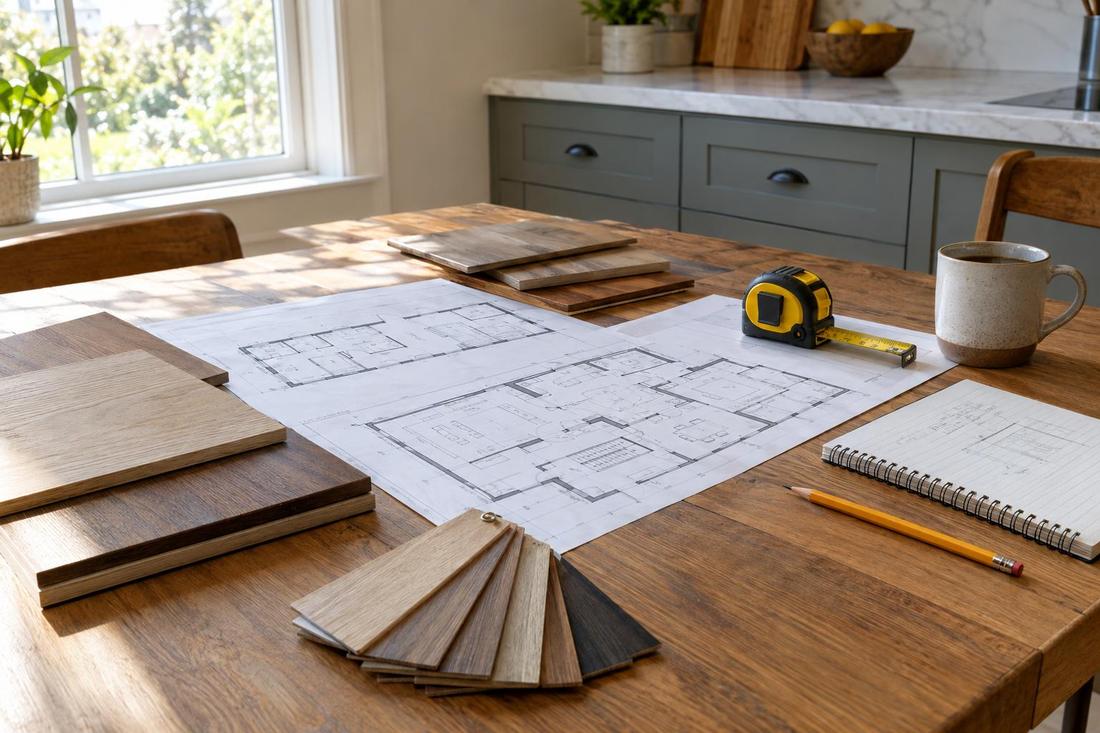
Have clear drawings, know your property lines and setbacks and gather any HOA approvals before applying. Respond quickly to inspector comments and schedule inspections ahead of the next stage. A carpenter who is familiar with local requirements can save weeks.
Keep copies of approvals and final sign-offs with your home records.
Official sources and further reading
These are independent organizations. Links open in a new tab.
Quick answers
Do I need a permit to build a fence?
Rules vary. Some places require one for height or location. Check with your city or county.
What if work was done without a permit?
Talk to your local codes office. In many cases it can be corrected, and it is better to deal with it before a sale or an insurance claim.